





Više od milion razloga za inovacije – Otvoren konkurs za StarTech grantove do 50.000 dolara i Program ubrzanog razvoja
15.04.2024.
Inovatori u Srbiji po četvrti put imaju priliku da se prijave na StarTech program i dobiju do 50.000 dolara bespovratne pomoći...
Poseti stranicu
Kupovina sa svrhom za održiva socijalna preduzeća
01.05.2024
Izgleda kao da stvari kreću na bolje za socijalna preduzeća u Srbiji, nakon... Pročitaj vest
Dve trećine lokalnih samouprava planira da uvede pametna rešenja
01.05.2024
U Srbiji je četiri od pet lokalnih samouprava upoznato sa konceptom pametnog... Pročitaj vest
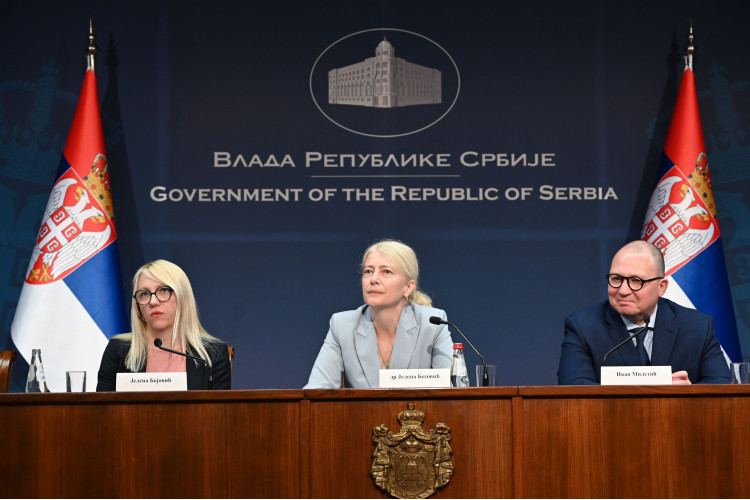
Na putu do reforme parafiskala - Može li Srbija bolje od regiona?
01.05.2024
Više od decenije privrednici u Srbiji se zalažu da se reši... Pročitaj vest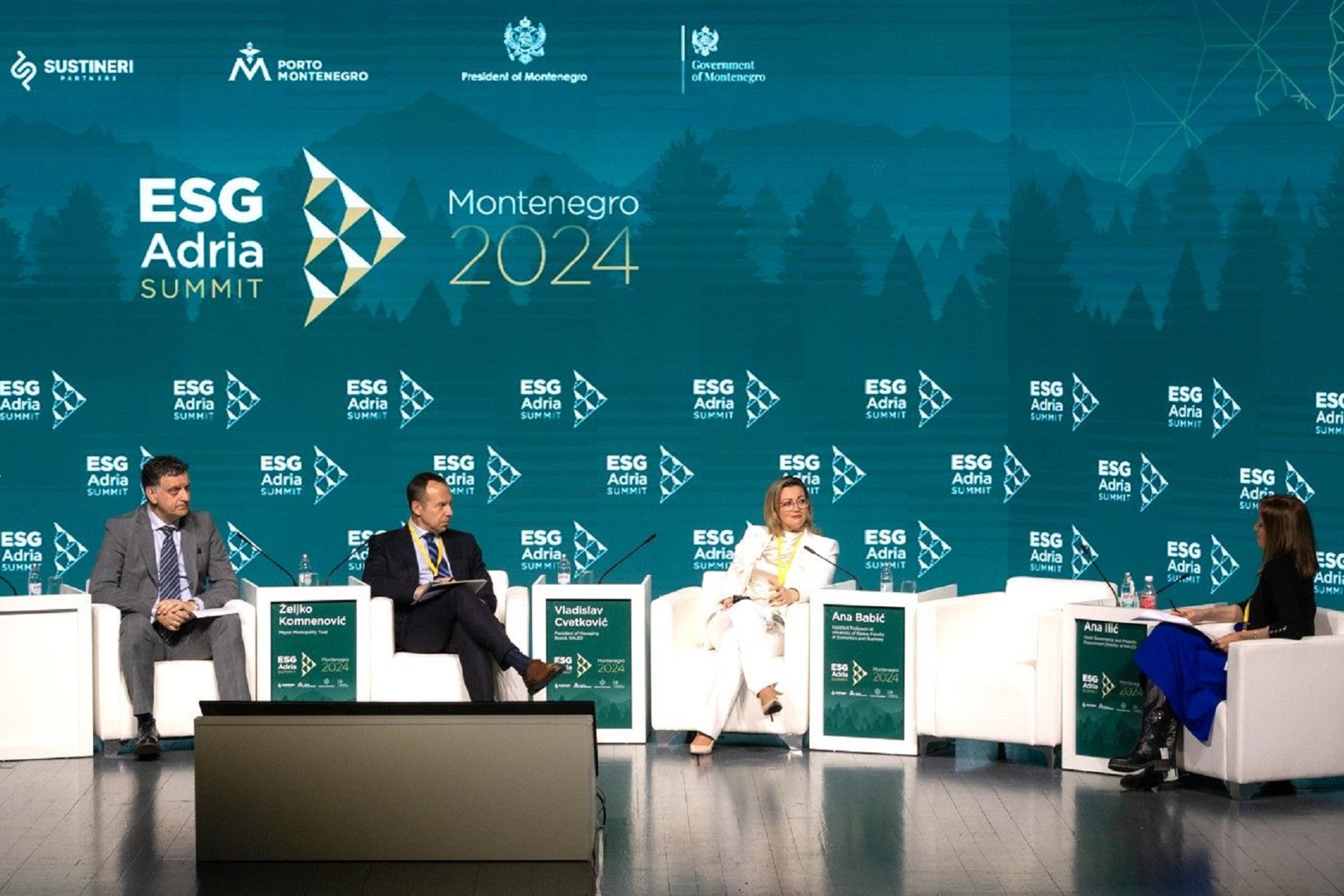
U održivom razvoju je odgovor na klimatske i ekonomske izazove
25.04.2024
Digitalizacija lokalnih usluga, unapređenje javnog transporta i stalna... Pročitaj vest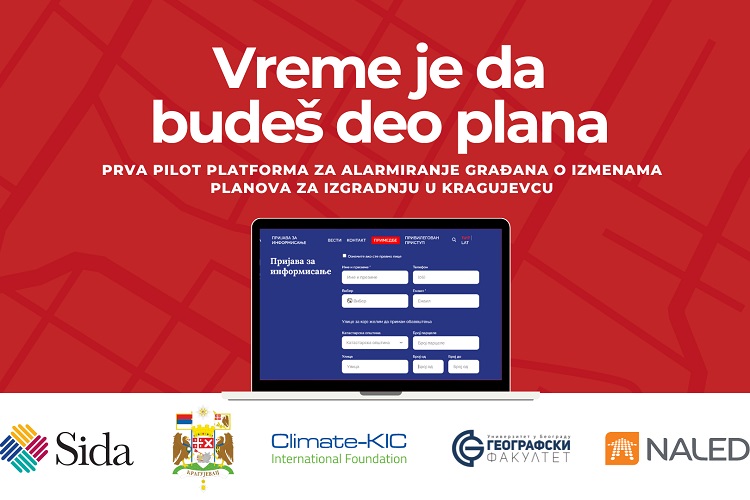
Platforma „Budi deo plana“ prvi korak ka formiranju eProstora
24.04.2024
Građani iz cele Srbije koji su se registrovali na platformu „Budi deo... Pročitaj vest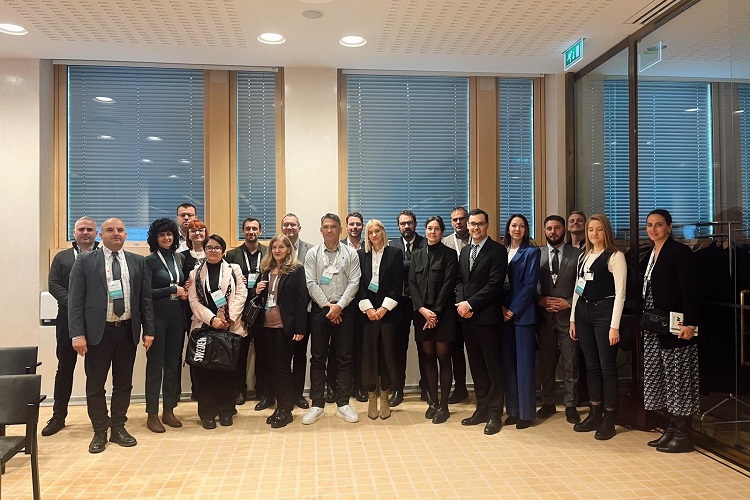
Kako se Švedska oslobodila gotovine i šta iz toga možemo da naučimo
23.04.2024
Plaćanje gotovinom u Švedskoj danas je prava retkost i prema zvaničnim... Pročitaj vest
Otvoreni pozivi podrške za razvoj inovacija u poljoprivredi
22.04.2024
NALED će u naredne dve godine predstavljati Srbiju u regionalnoj mreži Food... Pročitaj vest
U Novom Pazaru 750 domaćinstava dobija kante za reciklažu otpada
16.04.2024
Novi Pazar je dobio 1.500 kanti za razvrstavanje reciklabilnog otpada, kao... Pročitaj vest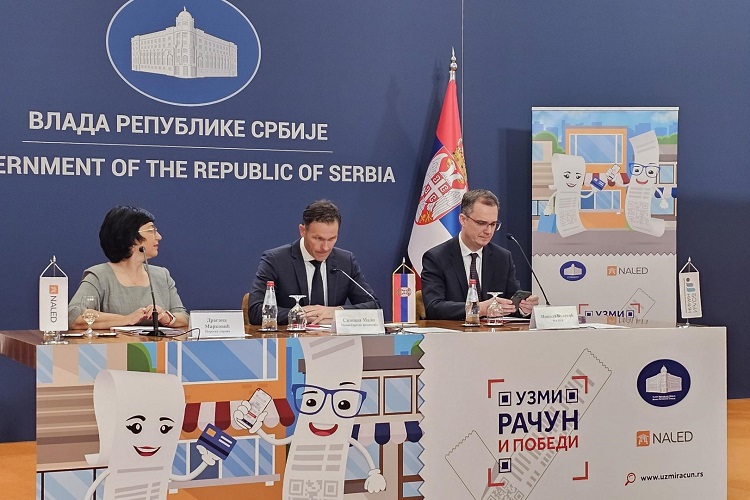
Bezgotovinska plaćanja dupla šansa u novom ciklusu nagradne igre
11.04.2024
Prijava za novi ciklus nagradne igre "Uzmi račun i pobedi“ počela je 8.... Pročitaj vest
O NALED-u
Nacionalna alijansa za lokalni ekonomski razvoj (NALED) je nezavisno, neprofitno i nestranačko udruženje kompanija, opština i organizacija civilnog društva koje rade zajedno na stvaranju boljih uslova za život i rad u Srbiji. Od osnivanja 2006. do danas, NALED je izrastao u najveću privatno-javnu asocijaciju u zemlji i pozicionirao se kao ključni sagovornik Vlade i Parlamenta u definisanju regulatornih prioriteta i zakonskih rešenja od značaja za privredu.
Saznaj višeČlanova
0Partnera
0Projekata
0NALED portali
Bolji način
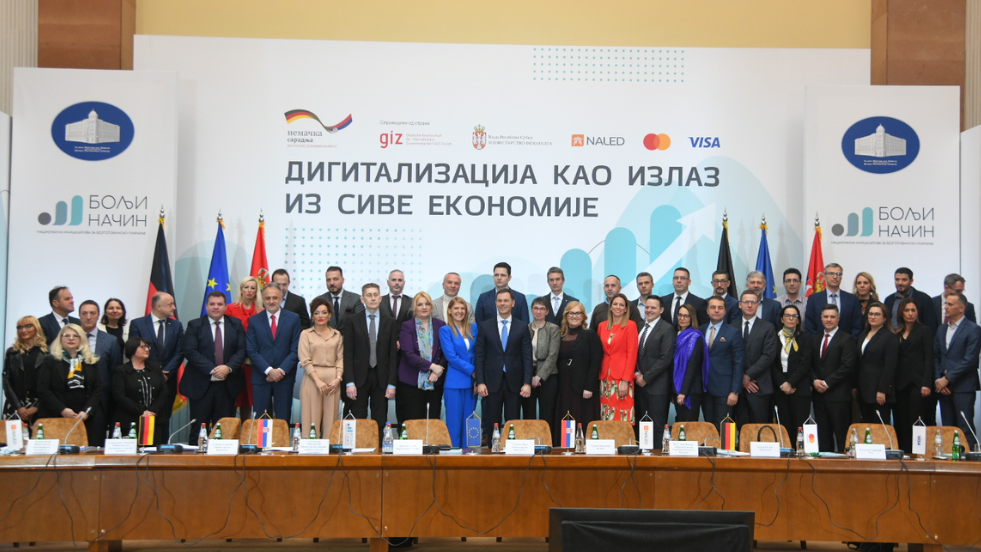
Portal namenjen preduzetnicima, mikro i malim privednicima i institucijama u svrhu stvaranja boljih uslova za razvoj i podsticanje svih vidova bezgotovinskog plaćanja u privatnom i javnom sektoru.
Pogledaj sajt
StarTech
Portal je posvećen istoimenom projektu podrške digitalnoj transformaciji malih i srednjih preuzeća u cilju ubrzanja rasta srpskih kompanija i transformacija tradicionalne ekonomije u digitalnu i pružanje podrške u vidu sredstava i eskpertiza.
Pogledaj sajt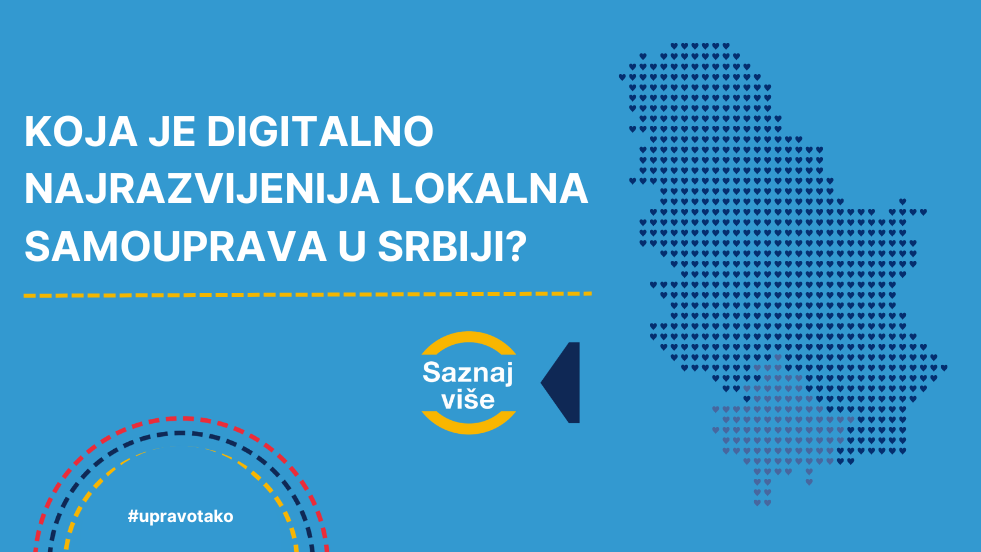
Lokalni indeks eUprave
Portal je obogaćen interaktivnom mapom putem koje korisnici mogu da se informišu o detaljima gradova i opština u domenima infrastrukture, ljudskih kapaciteta, zastupljenosti i kvaliteta eUsluga u cilju unapređenja eUprave i poboljšanja sprovođenja zaštite podataka o ličnosti u jedinicama lokalnih samouprava.
Pogledaj sajt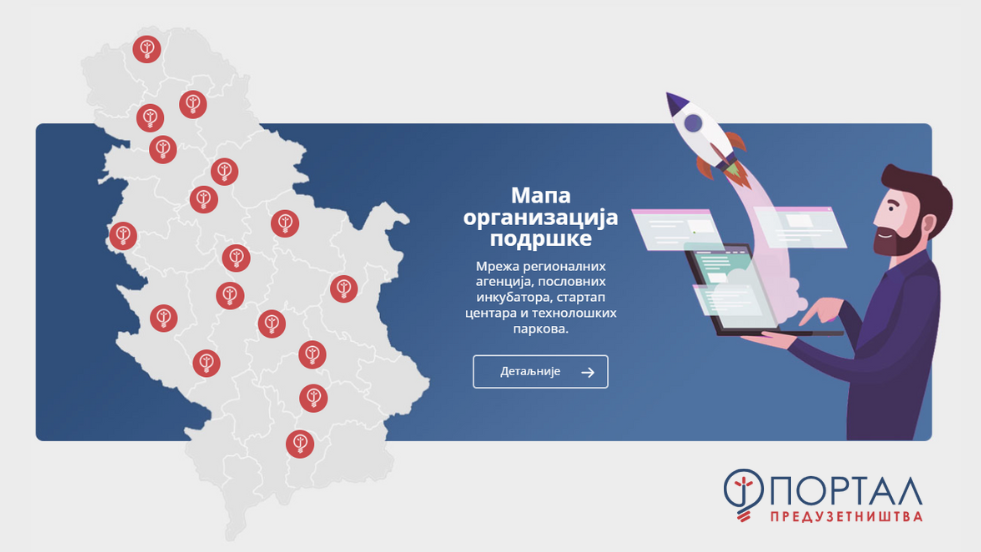
Portal preduzetništva
Cilj Portala je da bude efikasan info-servis za privredu, koji omogućava blagovremeno informisanje o različitim vidovima podrške uspostavljanju i unapređenju poslovanja, afirmiše i podstiče razvoj preduzetništva u Srbiji pružajući ažurne informacije o programima namenjene investiranju u MSPP, unapređenju poslovanja, podršci izvozu, započinjanju poslovanja, novom zapošljavanju.
Pogledaj sajt
Mali biznis informator
Portal Mali biznis informator je deo portala preduzetnistvo.gov.rs koji ima za cilj blagovremeno informisanje o novim programima podrške i novostima iz oblasti preduzetništva.
Pogledaj sajt
eCounter
Online od: mart 2019
Sve na jednom mestu o reformi katastra nepokretnosti - kako do upisa preko javnog beležnika, najčešća pitanja i odgovori, korisna dokumenta, statistike
Pogledaj sajt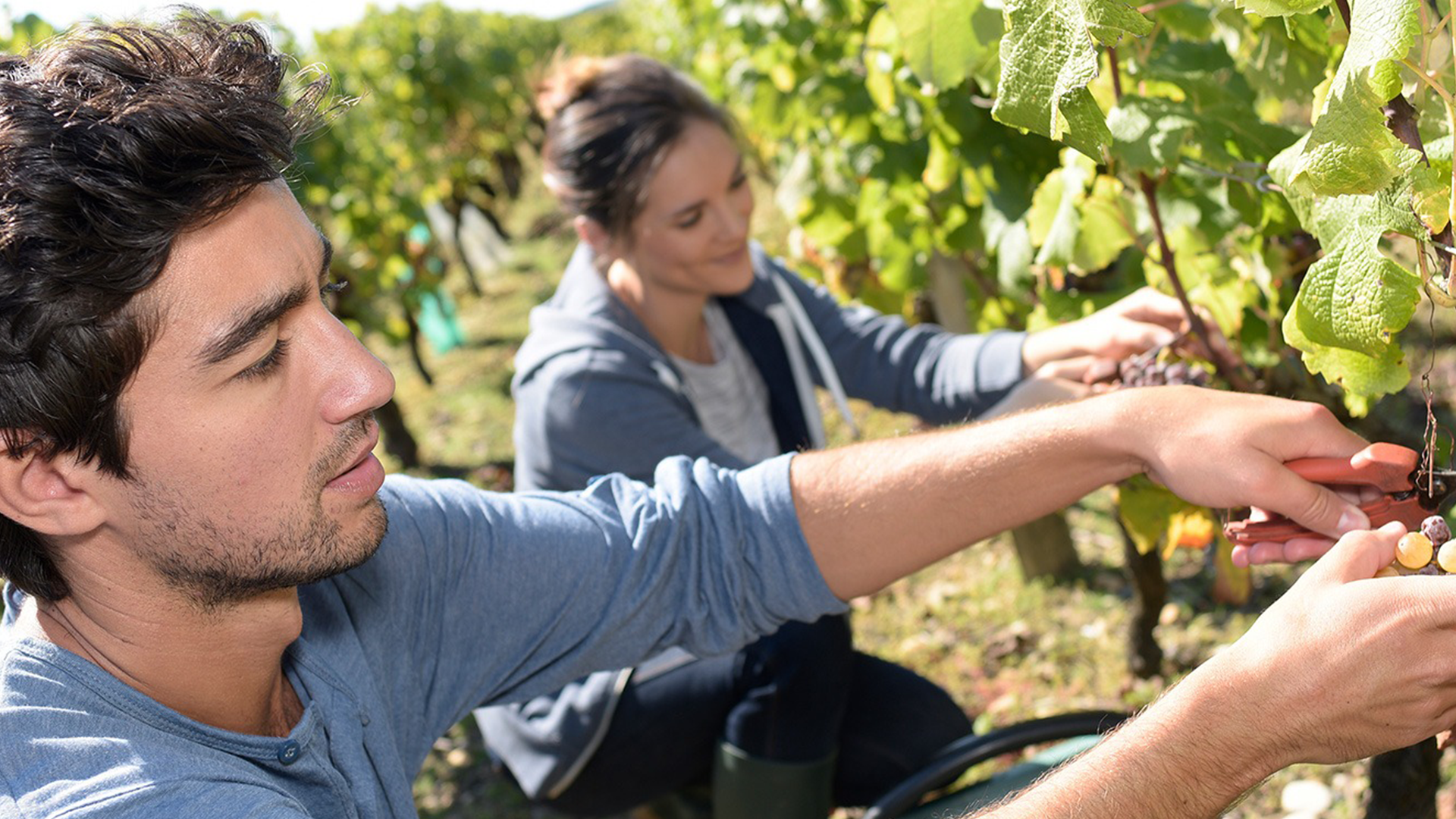
Sezonski radnici
Online od: decembar 2018
Nacionalni portal za pojednostavljenu elektronsku prijavu sezonskih radnika namenjen kompanijama i pojedinačnim proizvođačima u poljoprivredi
Pogledaj sajt
Javno-privatni dijalog
Online od: septembar 2018
Portal koji promoviše i doprinosi razvoju dijaloga između javnog, privatnog i civilnog sektora u procesu pripreme, izrade i primene propisa u Srbiji
Pogledaj sajt
Građevinske dozvole
Online od: april 2018.
Propisi, najčešća pitanja i odgovori, smernice i statistički izveštaji o podnetim i rešenim zahtevima za dobijanje elektronskih građevinskih dozvola u Srbiji
Pogledaj sajt
Uzmi račun
Online od: februar 2017.
Nacionalni portal čiji je cilj edukacija i informisanje građana i privrede o sivoj ekonomiji i aktivnostima Vlade na suzbijanju nelegalne trgovine i neprijavljenog rada
Pogledaj sajt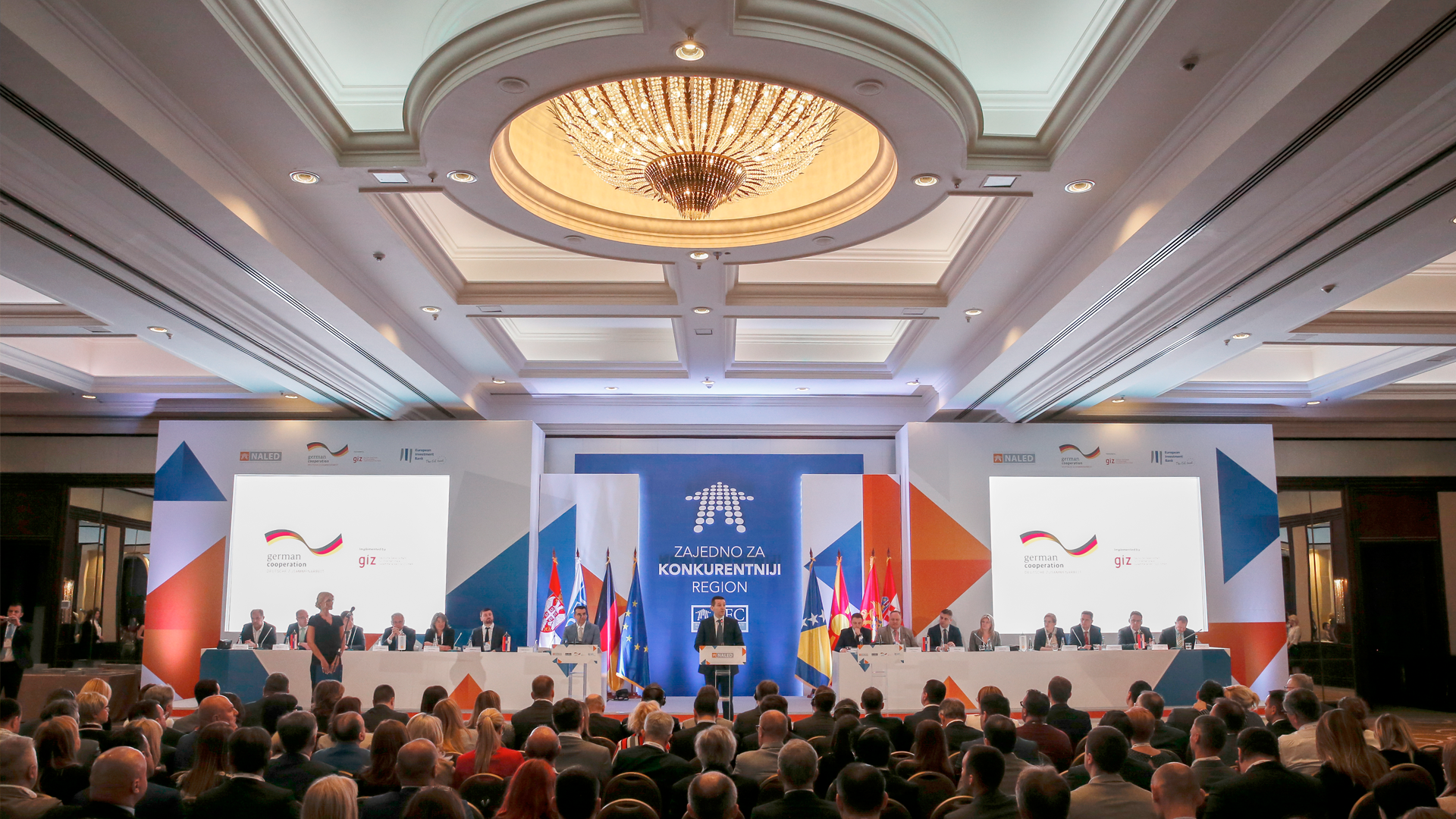
BFC SEE
Online od: Oktobar 2017.
Regionalni portal posvećen jačanju konkurentnosti lokalnih samouprava kroz program Certifikacije opština sa povoljnim poslovnim okruženjem u jugoistočnoj Evropi
Pogledaj sajt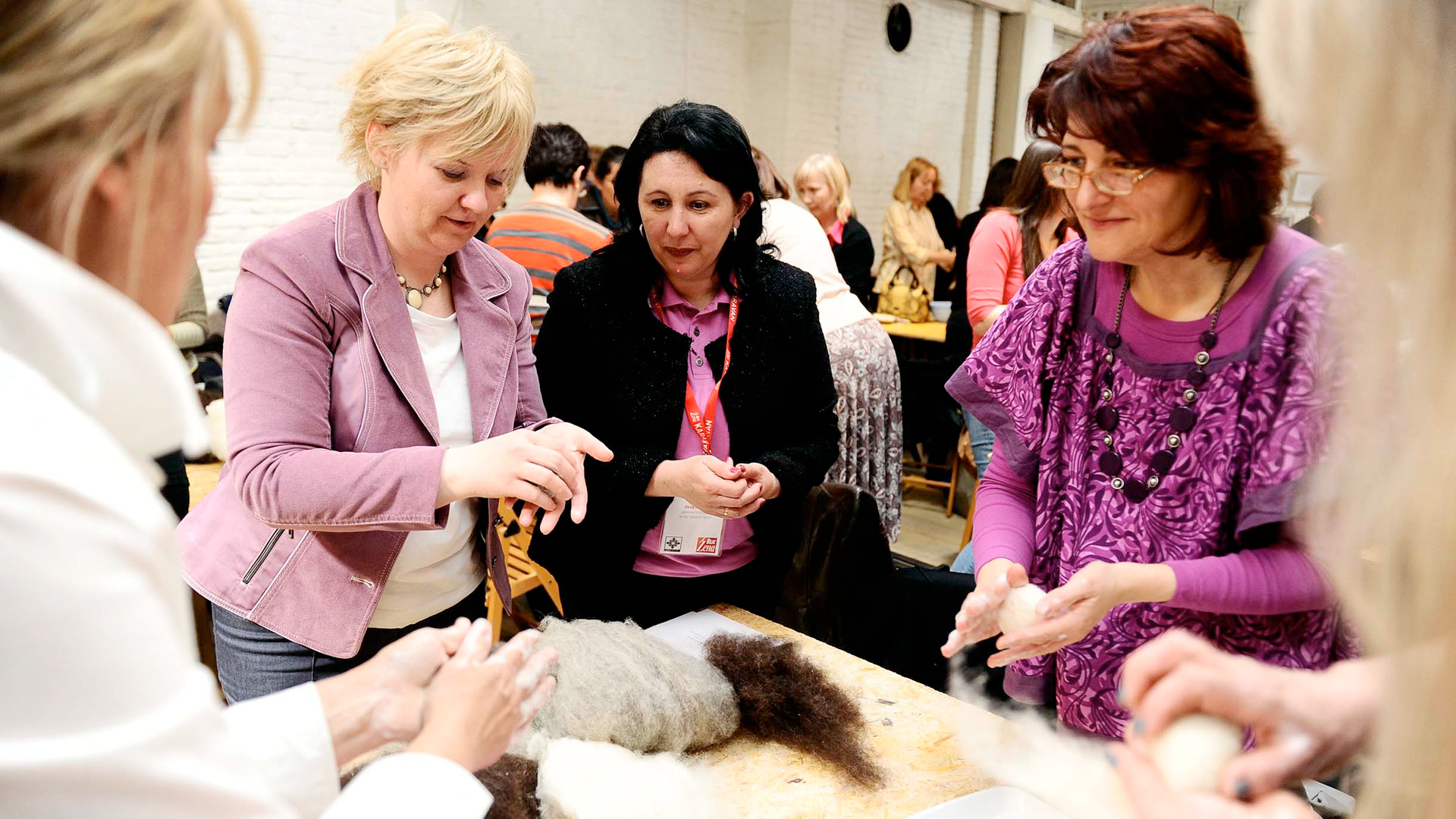
1000 žena
Online od: jun 2017.
Portal inicijative „1.000 žena“ namenjen svima koji nabavkom finih rukotvorina žele da doprinesu ekonomskom osnaživanju žena i mladih i očuvanju kulturnog nasleđa
Pogledaj sajt







Ova stranica koristi kolačiće kako bismo vam obezbedili najbolje korisničko iskustvo. Ukoliko nastavite da pretražujete stranicu, pristajete na korišćenje kolačića.
NASTAVITE SAZNAJTE VIŠE